

Culture and the Arts: Why the Words Matter
By Rachel Attfield
September 2026
As part of my work with Fun Palaces, I recently developed a workshop exploring everyday culture for our Laboratory of Fun series. Fun Palaces celebrates the knowledge, skills and creativity that already exist in communities, so I wanted to think more closely about what we actually mean when we use the word ‘culture’, and how that understanding shapes what we recognise and value. The workshop started with a deceptively simple and personal question: what do we mean when we talk about culture? It is a question I have often struggled with, as I find it difficult to describe my own culture in a way that feels meaningful.
The word culture has many different meanings that have changed over time. Today we often use the same word to describe quite different things. And those differences matter, because the meanings we give to culture can affect what we recognise and value.
Culture has its roots in cultivation: tending, nurturing and caring for the land. By the 18th and 19th centuries, the meaning of culture had expanded to include the cultivation of people. To be ‘cultured’ didn’t simply mean having culture; everyone has culture. It meant appreciating particular forms of art, literature and learning, such as classical music, poetry and fine art, alongside ideas about good manners, taste and respectable behaviour, according to the standards of particular groups and institutions. This understanding still shapes how we use the word today. We talk about cultural events and cultural organisations, meaning things like theatres, galleries, museums, music and the arts.
Industrialisation was also changing people’s way of life. Time became increasingly structured around work and leisure, separating activities that had previously been woven through everyday life. Walking, eating together and singing while working would have been part of the way people lived together. People continued to drink together, play football, put on performances and even write ballads about their working lives or use songs to share news.
But these everyday cultural activities were not necessarily valued in the same way as pursuits promoted as worthwhile or beneficial to people's health and wellbeing.
During the 19th century, culture also became associated with improvement. Museums, libraries and galleries were seen as places that could educate and ‘civilise’, while reading or country walks were promoted as healthy ways to spend leisure time. This wasn't simply about changing attitudes. As industrialisation brought growing numbers of working-class people into towns and cities, social reform increasingly focused on how they spent their time outside work. Middle-class reformers, employers and public authorities promoted particular forms of leisure as healthy, respectable and improving, while activities such as drinking, gambling, street games and popular fairs were discouraged or restricted. These efforts reflected concerns about health, poverty and public disorder, but also a desire to encourage self-discipline, respectable behaviour and a reliable workforce.
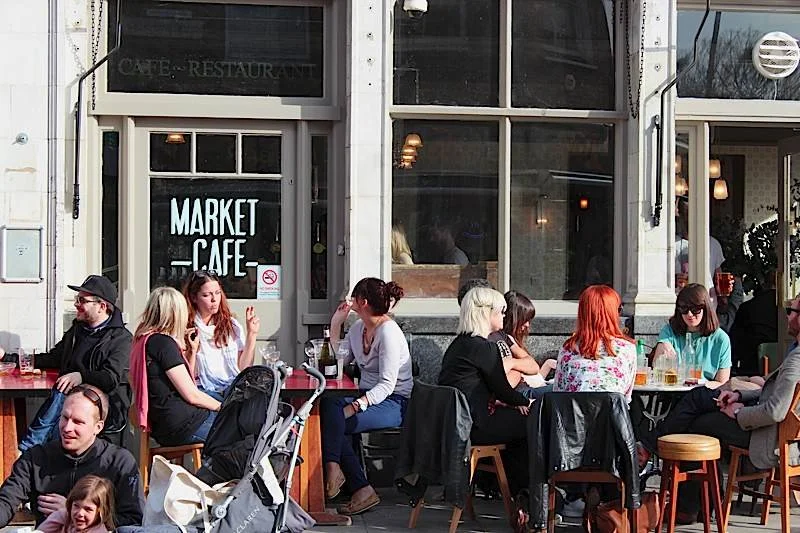
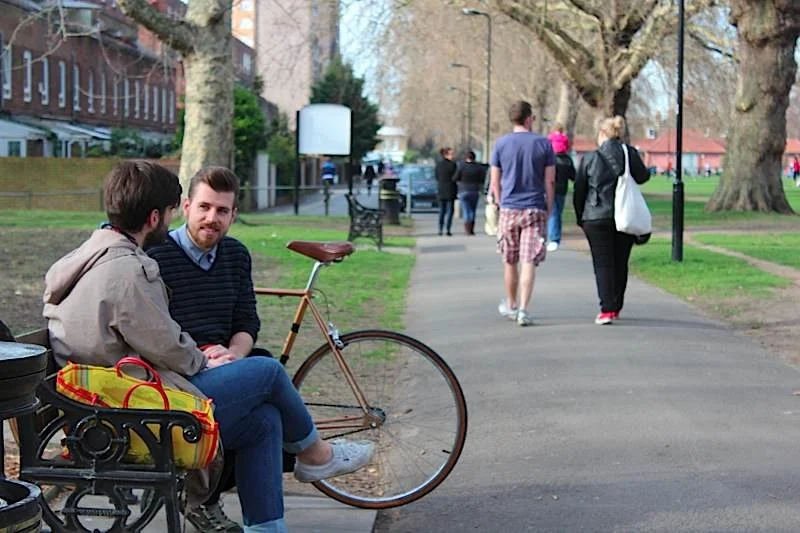
Raymond Williams described culture as one of the most complicated words in the English language. He recognised that culture could mean intellectual and artistic activity, but also ‘a whole way of life’. His phrase ‘culture is ordinary’ may sound simple, but it was a radical statement. He was challenging the assumption that culture belonged primarily to the educated, the arts or cultural institutions, and instead arguing that culture is something we all make through our everyday lives. It is an idea that beautifully describes what we now call everyday culture.
Everyday culture describes the way we live: food, stories, the words we use and the things we pass between generations. For a long time I struggled to understand what my culture was, because it didn’t fit into the idea of English culture. Reading Benedict Anderson's writing about nations as ‘imagined communities’ helped me think about this differently. I realised I didn't need to fit into a fixed idea of English culture. That gave me the freedom to understand my culture through the way I live, the words I use, the recipes that were passed down and my heritage.
The brilliant thing about everyday culture is that it is fluid, constantly changing and evolving, influenced by where we are, who we meet and the experiences we have. Food is a brilliant example: a dish associated with one culture can travel, change and become part of another family’s traditions.
In the 1960s and 1970s, community artists began challenging the idea that people should be passive receivers of culture. They argued that people had the right to create and express their own culture, helping to develop ideas around cultural democracy. Cultural democracy asks who gets to shape the culture that is publicly funded, programmed and curated. Whose culture is recognised, valued and funded?
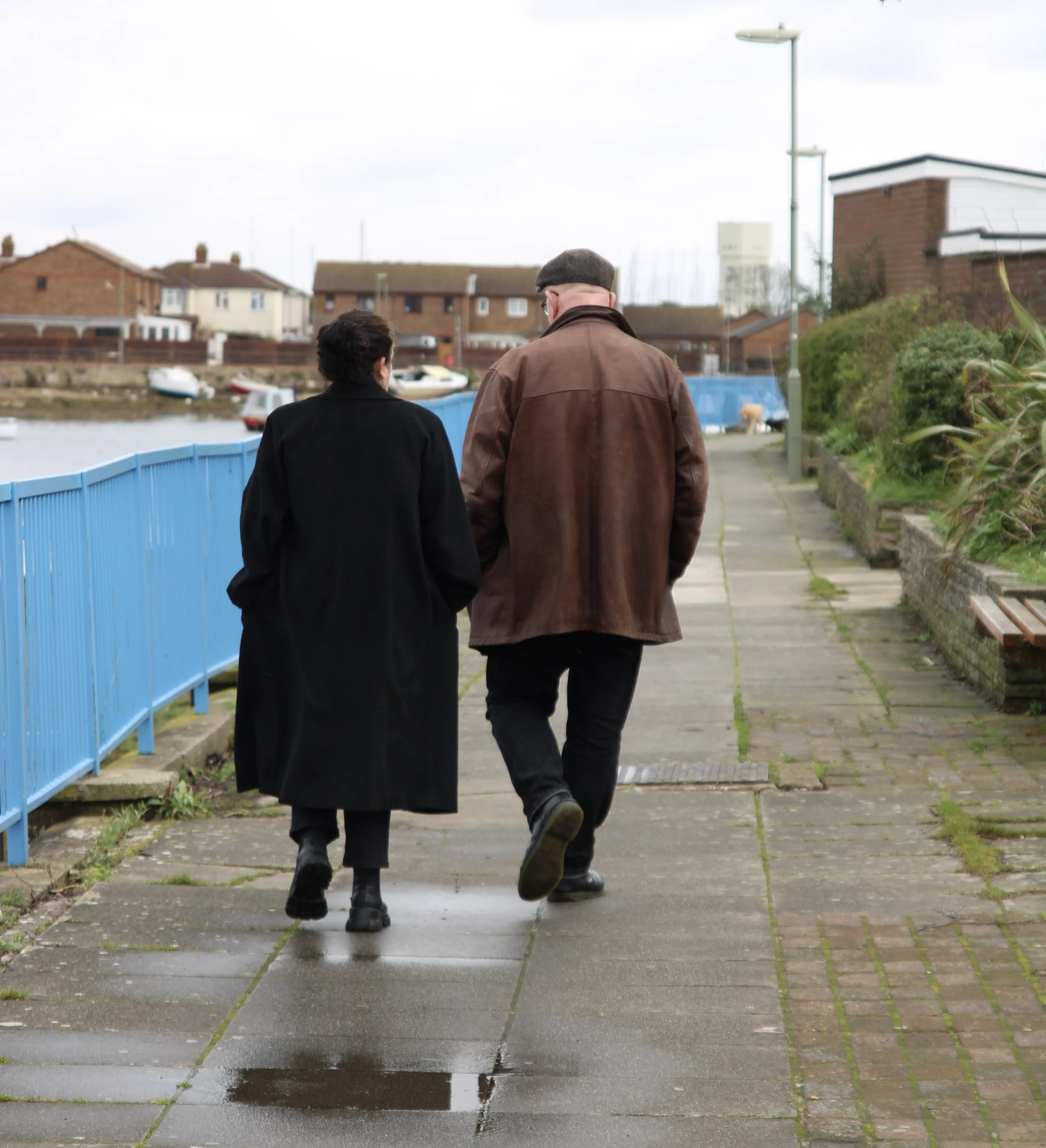
Everyday culture and cultural democracy are closely connected, but they are not the same thing. Cultural democracy challenges who gets to decide and shape what is recognised as culture. Everyday culture shifts our focus towards the cultural life people are already creating. Understanding that difference matters.
Joan Littlewood’s original idea for a Fun Palace, developed with architect Cedric Price, was the inspiration for the Fun Palaces movement today. It was imagined as a flexible, constantly changing structure where people could walk in and decide for themselves what they wanted to do.
Joan described it as a ‘laboratory of fun’ and a ‘university of the streets’. Universities are traditionally associated with formal education, recognised knowledge and expertise, but Joan’s phrase suggested that knowledge also existed in streets, neighbourhoods, workplaces, families and everyday experience.
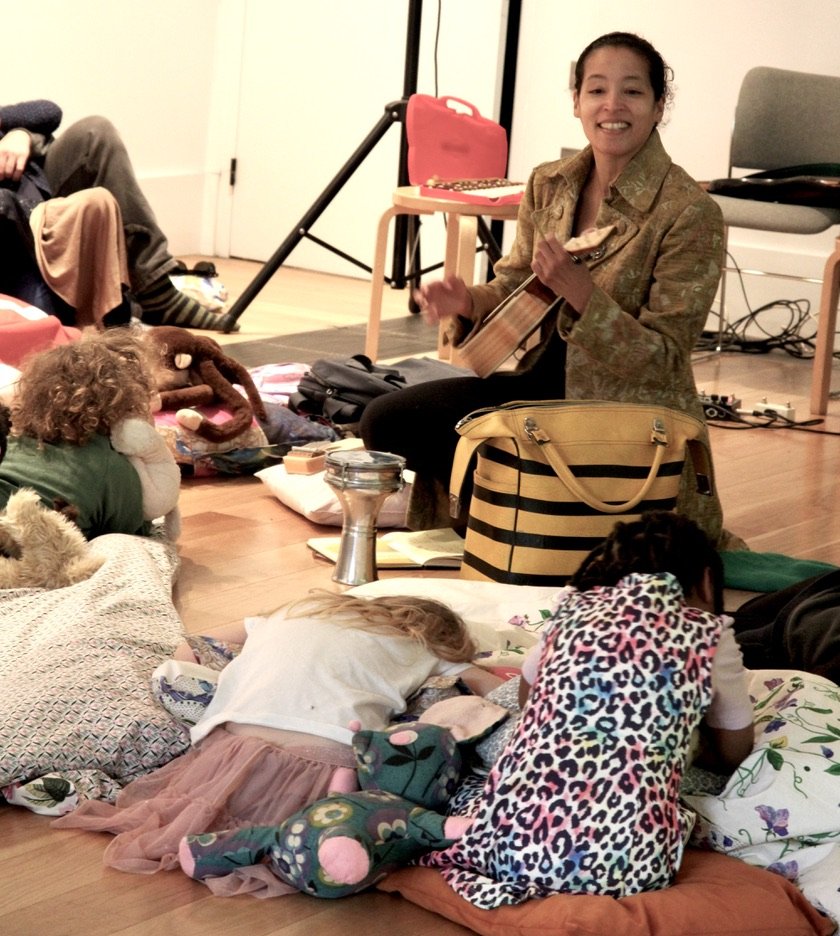
The original Fun Palace imagined a place where anyone could make, perform, experiment, debate, teach and learn, not because everyone would become a professional artist or scientist, but because everyone has the capacity to create, contribute and share what they know. It was an idea rooted in cultural democracy: challenging who gets to be recognised as knowledgeable or creative, and who gets to shape our cultural life.
This brings me back to why words matter. Culture is sometimes used as a more inclusive way of talking about the arts, but culture and the arts don't mean the same thing. When we use one word to describe so many different things, those distinctions can become blurred. And that matters because our understanding of culture affects what we recognise and value. When culture becomes associated primarily with the arts, cultural organisations or national traditions, the culture embedded in our everyday lives can become harder to see as culture at all. And because it is so much a part of the way we live, we can also overlook its value. We might only realise what it meant to us when it begins to disappear.
Words also have histories, and understanding how and why their meanings have changed can tell us something about the values we have inherited. The changing meaning of culture, from cultivation to becoming ‘cultured’, and from something associated with particular forms of art and knowledge to a whole way of life, tells a story about what and whose culture has been valued. It is important to recognise the distinctions between these different meanings of culture, and to be clear about which meaning we are using. Perhaps the more precisely we understand the words we use, and the histories they carry, the better able we are to notice the assumptions hidden within them and, importantly, the things that might otherwise remain unseen. And perhaps that starts simply by recognising and valuing the culture already happening in all the corners of our everyday lives.