

Communities – how culture connects us!
When we hear the word "community," we often picture a group of people living side by side. But does simply sharing a postcode make us feel truly connected? In an age where loneliness is on the rise—even in the busiest cities—the need to be connected to authentic communities has never been greater. In this article, I explore why building and nurturing community connections is so vital today and how creative and cultural experiences help people bridge divides, spark friendships, and rediscover a sense of belonging. From shared gardens to neighbourhood celebrations, creativity and culture are powerful tools that bring us together.
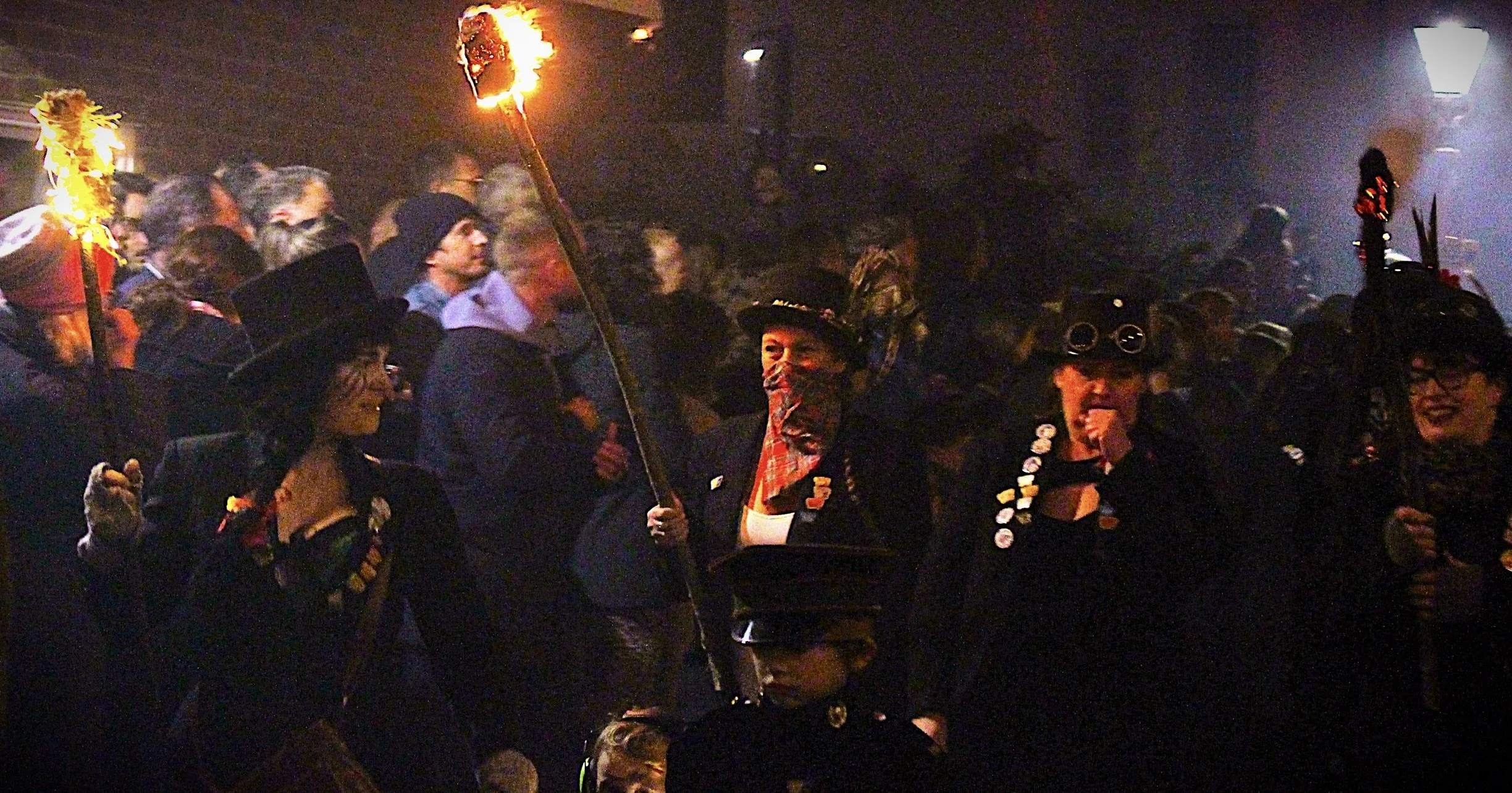
Coming together through creative and cultural events consistently demonstrates how sharing what we love with others can foster lasting connections.
The socialist writer and academic Raymond Williams traced the word "community" back to "common": an open piece of land shared for public use by people with something in common. Historically, this common land was used by locals, often the poor, to graze livestock and collect resources such as wood or foraged food. Over time, "common" came to be understood as a marker of social divisions, distinguishing the poor from nobility. Today, our understanding of community has expanded to include where we live, our religion, identity, nationality, beliefs, and the many things we share with others.
Many factors over the centuries have contributed to the decline of communities of place, including industrialisation, slum clearances, urban renewal, the loss of common land, and the increasing closure of free community spaces. The Space Between campaign has highlighted a significant reduction in community venues, likely linked to an 18% fall in local authority spending from 2022 to 2024. In London alone, around 10 community spaces have closed each year for the past five years. Research shows that 81% of people recognise shared community spaces as vital for wellbeing because they provide essential opportunities for social connection.
The documentary film director Adam Curtis explores the breakdown of communities and the rise of individualism over the past half-century, a shift he attributes to neoliberal policies that prioritised individual freedom and consumerism. This fragmentation of society has led to a growing feeling of loneliness and social isolation in the UK, affecting people of all ages and backgrounds. Loneliness is no longer just a concern for the elderly or infirm; it is an experience many of us face at different points in our lives. At a time when connecting with others is just a few clicks away, it reminds us of our human need to feel and be connected in more meaningful ways.
Coming together through creative and cultural events consistently demonstrates how sharing what we love with others can foster lasting connections. Whilst there has been a noticeable increase in community centre closures, resulting in fewer free places for people to meet, there remains a growing demand for access to free space both indoors and in nature. The Coronation Gardens for Food and Nature project, for example, encourages local councils to support community food initiatives focused on growing sustainable and nature-friendly food. Some councils are even adopting a ‘Right To Grow’ principle to allow communities to cultivate disused land to create community gardens or to grow food.
These and other initiatives play a key role in enabling local communities to work together to transform their local area through connecting with others to build authentic communities and support social and economic regeneration. Manor Garden, in Hackney East London is a prime example of how community connections grew from a small allotment: Turkish Cypriot growers regularly cooked their produce on-site, turning the allotment into a vibrant hub where the growers and their families, representing the diversity of the whole borough, connected and shared their cultures through food. Similarly, the Ore Community Land Trust in East Sussex brings local people together to campaign for the community ownership of an ancient wood as a way to protect it from future development and ensure it remains an attractive and peaceful green space for local people.
Belonging to a community shapes every part of our lives, and people are finding creative ways to reconnect and revitalise community connections. From meeting up in shared spaces to entire communities coming together to buy their local assets, or even an entire island, as with the Isle of Eigg in Scotland, which was bought by the community. Amazing things can happen when people unite. As one community organiser put it “When we share what we love, we build something bigger than ourselves.”